
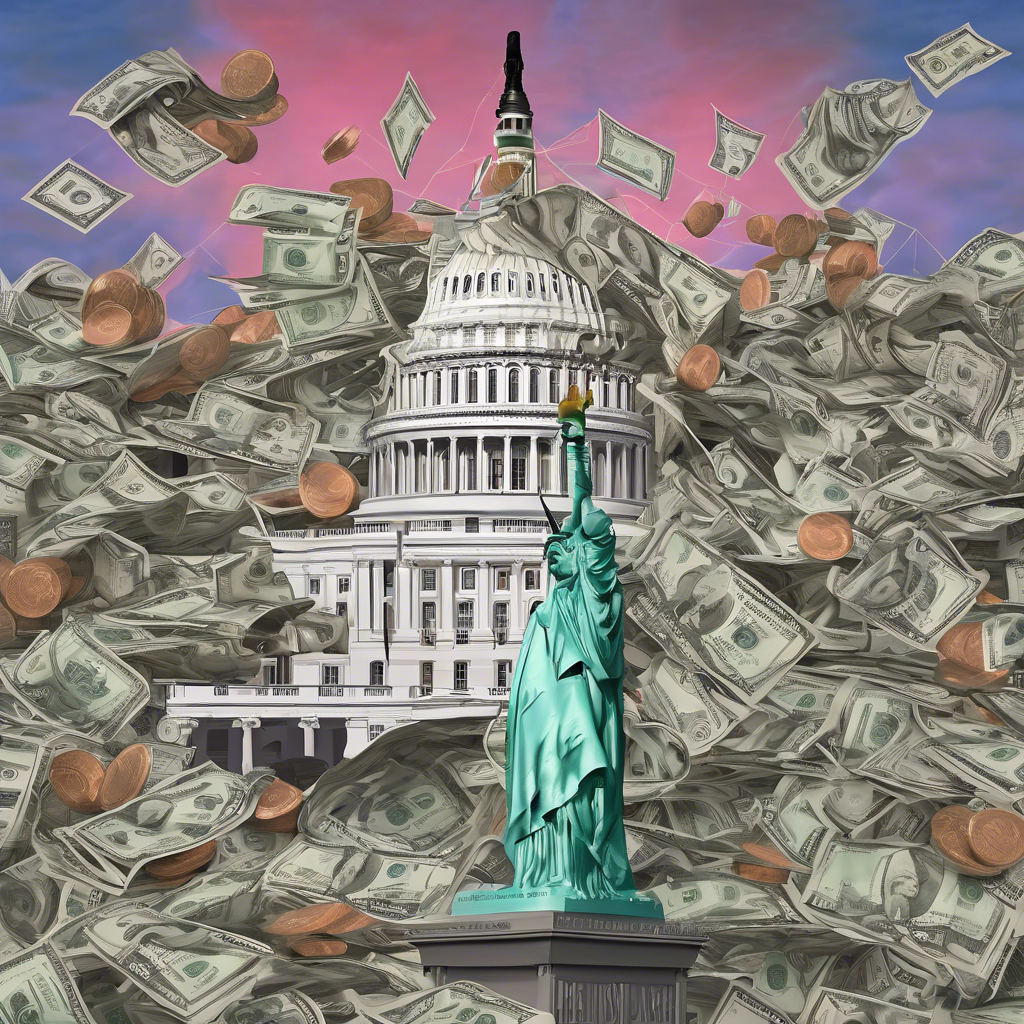
Intersecting Ambitions: Trump’s $5 Trillion Tax Cut and Project 2025
As the 2024 presidential race heats up, former President Donald Trump’s ambitious $5 trillion tax cut proposal stands in stark contrast to fiscal reality. This plan, touted as a cornerstone of a revitalized economic agenda, ties in intriguingly with Project 2025, a strategic initiative aimed at reshaping federal governance under a potential second Trump administration. Is this a blueprint for economic growth or a perilous gamble with tax policies? 🌍💰
Understanding the $5 Trillion Tax Cut Plan
Trump’s tax cut proposal seeks to revamp the existing tax structure, primarily benefiting corporations and high-income earners. If enacted, this measure aims to enhance investment incentives, under the premise that reducing taxes spurs job creation and economic growth. The rationale is straightforward: by allowing individuals and businesses to keep more of their earnings, it is believed that spending and investment will flourish. However, this plan’s funding is contentious, sparking debates about its feasibility.
“We will bring back jobs, stimulate growth, and reduce regulations – all while cutting taxes,” Trump said at a recent rally, echoing themes from his previous campaigns. ✈
The Potential Economic Ripples
Critics argue that such a tax cut, particularly one of this magnitude, could massively increase the federal deficit, estimated to exceed $5 trillion over the next decade. A study by the Committee for a Responsible Federal Budget highlights that tax cuts without measured spending cuts can lead to unsustainable deficits, threatening the country’s long-term economic health. The Congressional Budget Office estimates that the national debt could reach $43 trillion by 2031 if current policies remain unchanged. 📉📊
- Historical Precedence: Previous implementations of tax cuts under the Bush administration and in the immediate aftermath of the COVID-19 pandemic offer a cautionary tale—temporary economic spikes followed by long-term financial obligations.
- Wage Growth vs. Inflation: Economists express concern that any potential wage growth stemming from such tax incentives could be eroded by inflation, ultimately leaving working-class citizens in a more precarious financial position.
Project 2025: A Vision for Governance
At the same time, Project 2025 aims to align the Republican Party under a cohesive framework for governance that promotes conservative values and bold policy changes. The initiative seeks not just to secure electoral victories but also to lay the groundwork for a radical reimagining of federal bureaucracies—envisioning a government more favorable to business interests. 🏛️
One of the key components of Project 2025 is the aspiration to implement extensive reforms in federal agencies, reducing regulatory overhead, streamlining processes, and potentially cutting funding to programs perceived as hindering economic growth.
“America needs to be unshackled from bureaucratic gridlock; Project 2025 is about enforcing a government that works for its citizens and not the other way around,” said a representative of the Trump campaign.
Where the Two Initiatives Converge
Bridging Trump’s tax cut and Project 2025 is the shared commitment to dismantling what proponents describe as government overreach. Both proposals aim to create an economic landscape in which businesses thrive owing to lower taxes and reduced regulatory barriers. However, they also invoke criticism for potentially eroding the social safety net, jeopardizing funding for education, and healthcare. 📚🏥
- Fiscal Responsibility vs. Economic Growth: Balancing tax cuts with responsible budgeting remains a dilemma for policymakers. With increased military spending and potential international conflicts on the horizon, maintaining a sustainable fiscal strategy could become a Herculean task.
- Political Opposition: Expect vigorous resistance from Democrats and moderate Republicans unless concrete plans emerge that clarify how these programs would be financed without expansive borrowing.
The Road Ahead: Implications and Considerations
The interconnection between Trump’s tax proposal and Project 2025 could lay the groundwork for a transformative conservative agenda, but skepticism abounds. Will voters buy into a vision that heavily favors the affluent while risking broader economic stability? Every subsequent debate, campaign rally, and policy discussion will serve as a litmus test of its viability. As the election cycle intensifies, the narrative surrounding these fiscal strategies will undoubtedly evolve alongside the ever-shifting political landscape. 💬🗳️
The juxtaposition of an ambitious tax cut against the backdrop of an extensive governance overhaul raises questions about priorities and long-term effects. Navigating these waters will be paramount for the Trump campaign as it seeks not just electoral victory but a cohesive legacy.