
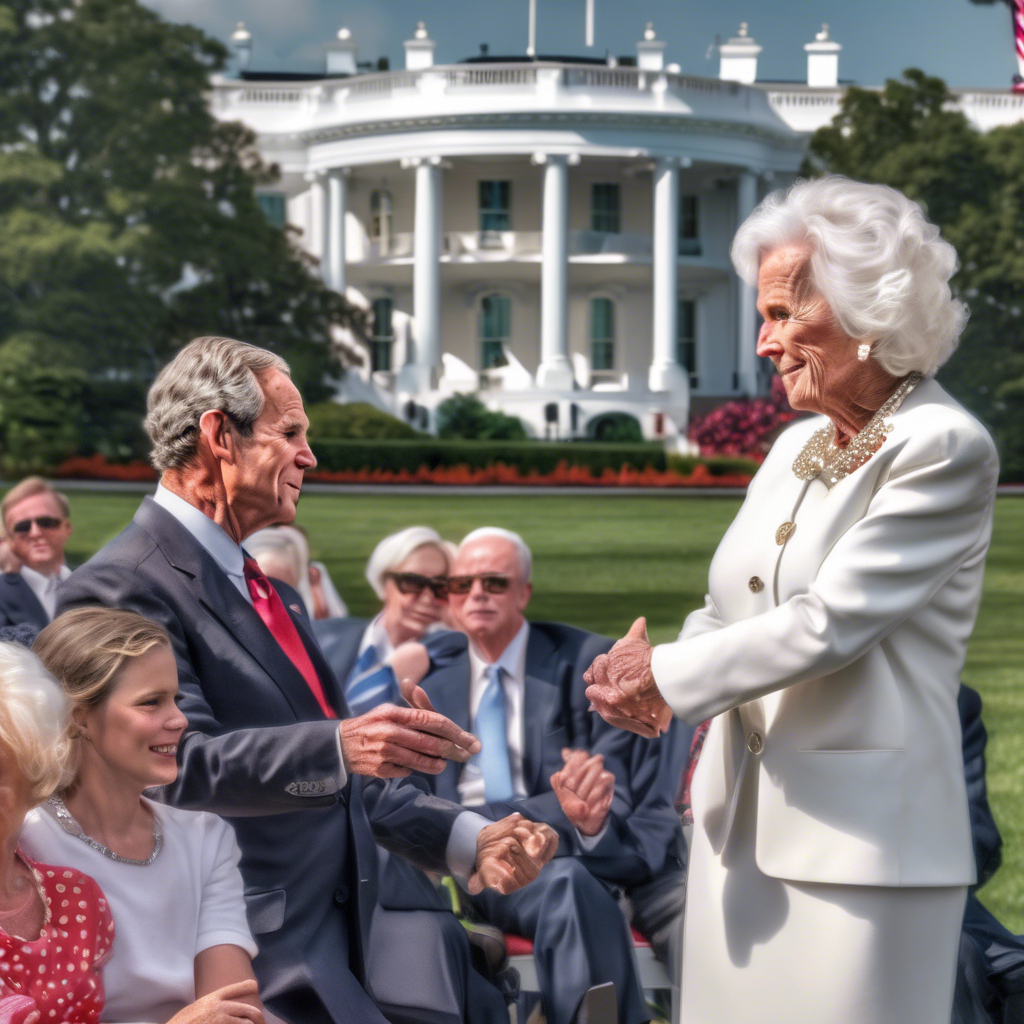
George W. Bush’s Absence from White House Event: Reflecting on Family and Legacy
This week, a notable absence loomed over a White House event dedicated to honoring the late Barbara Bush, the beloved matriarch of a prominent political dynasty. Amidst the celebration of her impactful life and legacy, George W. Bush, the 43rd President of the United States and her eldest son, was conspicuously missing. 🤔 This absence sparked discussions not only about familial obligations but also the complex interplay between public life and personal grief.
Barbara Bush, who passed away in April 2018, was a figure of resilience and a strong advocate for literacy and education throughout her life. Her contributions to public service were recognized not only as a First Lady but also as an individual dedicated to charitable causes. The White House event celebrated these contributions, reflecting on how her values influenced generations. However, President Bush’s choice to forgo this commemoration prompts questions about the dynamics of family and the emotional toll public service can impose.
Family Dynamics Under the Spotlight
Historically, the relationship between political figures and their families has often been scrutinized, particularly in the case of the Bush family, known for its deep ties to American political life. While George W. Bush has spoken openly about his mother’s influence on his life and career, his absence from this event might suggest a more complex narrative. Family expectations and political responsibilities often collide, creating a delicate balancing act for leaders. 🏛️
“There’s a unique strain on relationships when your family is under constant public scrutiny,” noted Dr. Judith Katz, a sociologist specializing in family dynamics within political families. “In many ways, the public expects these figures to perform tasks that blur the lines between personal loss and public duty.”
The Emotional Landscape of Leadership
George W. Bush’s presidency was marked by immense stress, particularly during events such as 9/11 and the wars in Iraq and Afghanistan. These experiences, underscored by the loss of his father, George H.W. Bush, in 2018, have undoubtedly shaped his current approach to family and public appearances. The decision to avoid the event honoring his mother could reflect a need for personal solace and remembrance, away from the spotlight. 🕊️
Reports indicate that familial ties within the Bush clan have been steadfast; however, public events can bring forth heightened emotions, particularly when honoring someone as foundational as Barbara Bush. The absence of her son might resonate with others who face similar struggles in balancing personal grief with public duties.
Legacy and Public Perception
Barbara Bush’s national legacy remains significant. Her initiatives in literacy and health issues are still a touchstone for many organizations. The way she approached public service—characterized by grace and humility—has left an indelible mark on political discourse. George W. Bush’s absence from the event, while perhaps surprising to some, can also be viewed through the lens of honoring his mother privately.
Community and Public Response
The event gathered a mix of public figures, family friends, and former political allies, creating a nostalgic atmosphere laden with reflections on Barbara’s values. The responses from attendees suggested a strong sentiment of appreciation for her contributions, which many felt transcended her familial ties. **Bush’s absence did not overshadow the event, but it certainly raised eyebrows and opened dialogues on the personal sacrifices often faced by those in public life.** ✨
In many ways, George W. Bush’s choice serves as a poignant reminder of the importance of personal space amid public obligations, especially when commemorating someone who played such a pivotal role in shaping not only his life but the lives of many. As the dialogue around family and political life continues, it is crucial to recognize the humanity behind the public persona.